


A World of Nature at Kew Gardens
- sarahhawley

- Jan 2
- 5 min read

Kew Gardens is a Royal Botanical Garden and a UNESCO World Heritage Site in Richmond, England, located 30-minutes south-west of Central London. A great place to spend the day with lots to activities and attractions. Stretched across over 300 Acres with a collection of over 50,000 living plants from around the globe. There are several buildings on site including the world’s largest Victorian glass greenhouse. In addition to this, there is a Treetop Walkway, the Great Pagoda, a Beehive art installation, Queen Charlotte’s Cottage, Kew Palace, a gift shop, and several places to eat including the Orangery. There is also a lake, and various trails around the property to explore all that Kew Gardens has to offer. Like the many other green spaces found in and around London, it is a great way to escape the hustle and bustle of the city, and to be out in nature. It makes for an interesting day that is both educational and enjoyable, learning about history, science and seeing nature from around the world.
Getting to Kew Gardens is easy either by Car, or public transit including rail, bus, and the river. There are 4 gates around the gardens to enter the grounds. There is an admission fee and prices vary depending on the season, if you purchase your ticket at the gate or online, at peak or off peak times, and if you qualify for a discount. The most expensive price for an adult ranges between £27 – £30 at the time that this article was written.

I have visited this place on several occasions and I still haven’t see everything at Kew Gardens. My last trip to Kew Gardens was in October of 2023 on a lovely fall day. Based on my past experiences there, I have a few suggestions. Pick a day with good weather, but prepare for changing weather including rain and other conditions. Wear comfortable walking shoes and dress in layers as you will be exposed to all kinds of climates and conditions in the glass houses on site, and possibly also the fast changing British weather outdoors. You may not get to see all that Kew has to offer in one visit, it’s a big place so plan your day to make sure you get to see the main draws that brought you there. It may also be beneficial to visit the website for Kew Gardens beforehand, to see if the attractions you are interested in are open. They post online if certain areas or attractions are temporarily closed for renovations or upkeep, so check online to avoid disappointment. Arrive earlier in the day to ensure you have the full day to roam the grounds and explore, as I’m sure you will want to get the full value of the admission fee.
As previously mentioned there’s a wide variety of things to see and do. I have listed a number of gardens, glasshouses and other attractions below, but this is by no means a complete list of what Kew Gardens has to offer, just a sampling.



Gardens:
There are many different types of gardens found in different parts of the grounds. The Rock Garden consists of wild plants from different mountainous regions. The Winter garden has hardy plants and trees that flourish in the winter. The Rose Garden consists of many different varieties of roses, while the Queen’s Garden (located behind Kew Palace) features stone sculptures, a water feature, and well-manicured hedges. The Woodland Garden and the Temple of Aeolus are best seen in the months of March and April when in full bloom. The tranquil Japanese Garden is similar to that of a traditional Japanese tea garden, while The Bamboo Garden features a Minka House (which is a Japanese farmhouse preserved on site for historical purposes). The Mediterranean garden is where you will find King William’s Temple built in 1837 for Queen Victoria, in memory of William IV. And finally, a new addition to Kew Gardens is the Carbon Garden that features fungus and a variety of other carbon reliant plants.



The Glass Houses:
The glasshouses are similar to a greenhouse but larger and more complex. These architectural structures are designed to allow the natural sunlight into the space while also providing the ability to mimic certain climates indoors to create a controlled environment for specific types of plants to thrive in. For example, The Davies Alpine House contains alpine plants that exist in high altitude territory and thrive in cool, dry and windy conditions. The Princess of Whales Conservatory features plants from the tropics and deserts such as Cactus. The Palm House is an indoor rainforest that thrives in highly humid conditions. The air here is heavy, and dense with condensation on the glass. Temperate House is the world’s largest Victorian glasshouse that houses rare and threatened plants, while the Waterlily House, as its name suggests, holds aquatic plants and tropical fruit. It is quite something to walk through the different glasshouses and experience the various climates and environments in each space all on the same day.


Other Attractions:
Like most attractions there is a Gift shop where purchases can be made in person or online, and offers a variety of items to take home as a souvenir from your visit. Depending on what you are in the mood for, there are several options for eating. This includes the Victoria Plaza Café and the Orangery for coffee breaks or lighter meals, the Family kitchen and shop which is a food hall for families, The Pavilion Bar and Grill, or The Botanical Brasserie for formal dining.


Other attractions on site include the Arboretum, an area of land that has 11,000 trees that transform the look of the landscape with each season. The Treetop walkway offers great views from up in the tops of the trees for a unique perspective of the gardens. There is a number of bodies of water on the grounds, both indoors and out including a lake, and several ponds with trails and other walkways and bridges to explore and enjoy the surrounding areas. This draws a variety of birds and other wildlife to the area. The Hive is a contemporary art installation designed to recreate life inside a real beehive. The installation is a 17 meter tall structure. The Great Pagoda is also a place with spectacular views when open. The Pagoda stands 10 floors high and features on its roofs 80 dragons carved from gilded wood. For a look into history there is Queen Charlotte’s Cottage, a secluded retreat surrounded by bluebell woods and Kew Palace which is a large striking establishment, easily identified by its orange or terracotta coloured exterior. Built in 1631 it later became the summer residency of King George III, both these buildings offer a historic glimpse into royal life during this era.


Depending on your hobbies and interests, this place is great for all who enjoy relaxing in nature as well as, bird watching (or people watching for that matter), anyone with an interest in nature, science, history, or the arts as far as drawing/sketching, and of course photography. For photography enthusiasts it is great for landscapes, architecture, and nature, including plants, flowers and wildlife. Although it is not my area of interest, many locations in and around Kew Gardens make a wonderful backdrop for portrait photography too.

It is easily one of my favourite places to visit in London, especially for photography and I will likely return for a visit again someday. The great thing about Kew Gardens is that it evolves. They are always adding new features or attractions to keep it fresh and interesting and to encourage past visitors to make a return trip.
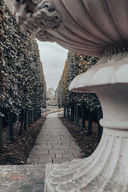
Featured in this blog are photographs from my most recent visit to Kew Gardens from October of 2023 and below, as usual, is a photo gallery from this event.
I want to take a moment to be one of the first to wish you a Happy New Year and best wishes for you in 2026! Thanks for reading my blog, your support is greatly appreciated and I am pleased to know you have continued to follow me and the blog into 2026!
Cheers!















Comments